A Possible Iran Deal Shows Why Compliance Teams Need Real-Time Visitor and Vendor Screening
A possible U.S.-Iran framework involving the Strait of Hormuz, sanctions waivers, and nuclear talks shows why defense contractors need real-time screening, human review, and audit-ready visitor and vendor logs.
A possible U.S., Iran agreement is back in the headlines, and for compliance teams the lesson is bigger than politics. When sanctions, shipping lanes, oil flows, and nuclear negotiations all move at once, risk does not stay still.
Need to ensure your visitor processes remain compliant?
Download the SecurePoint USA Visitor Compliance Checklist.
Reuters reported that Axios says the U.S. and Iran are close to a proposed agreement involving a 60-day ceasefire extension, reopening the Strait of Hormuz, sanctions waivers, and renewed talks on Iran’s nuclear program. The draft terms reportedly include Iran clearing mines from the strait and the U.S. lifting its blockade on Iranian ports. Reuters
AP also reported that President Trump said a deal with Iran and reopening the Strait of Hormuz are “largely negotiated,” but final details are still being discussed, and regional officials warned that last-minute disputes could still derail the effort. AP News
The Guardian highlighted that control over the Strait remains a critical point of tension, noting that Iran’s Fars news agency (which is close to the IRGC) pushed back on the claim and insisted control would remain with Iran. The Guardian This highlights that the situation is a rapidly moving diplomatic and sanctions risk story, rather than a finalized deal.
This moving window matters deeply for defense contractors, exporters, manufacturers, logistics companies, and regulated facilities. Because when policy changes fast, your compliance process gets tested fast.
Why does an Iran deal matter to compliance teams?
Any potential shift involving Iran can affect:
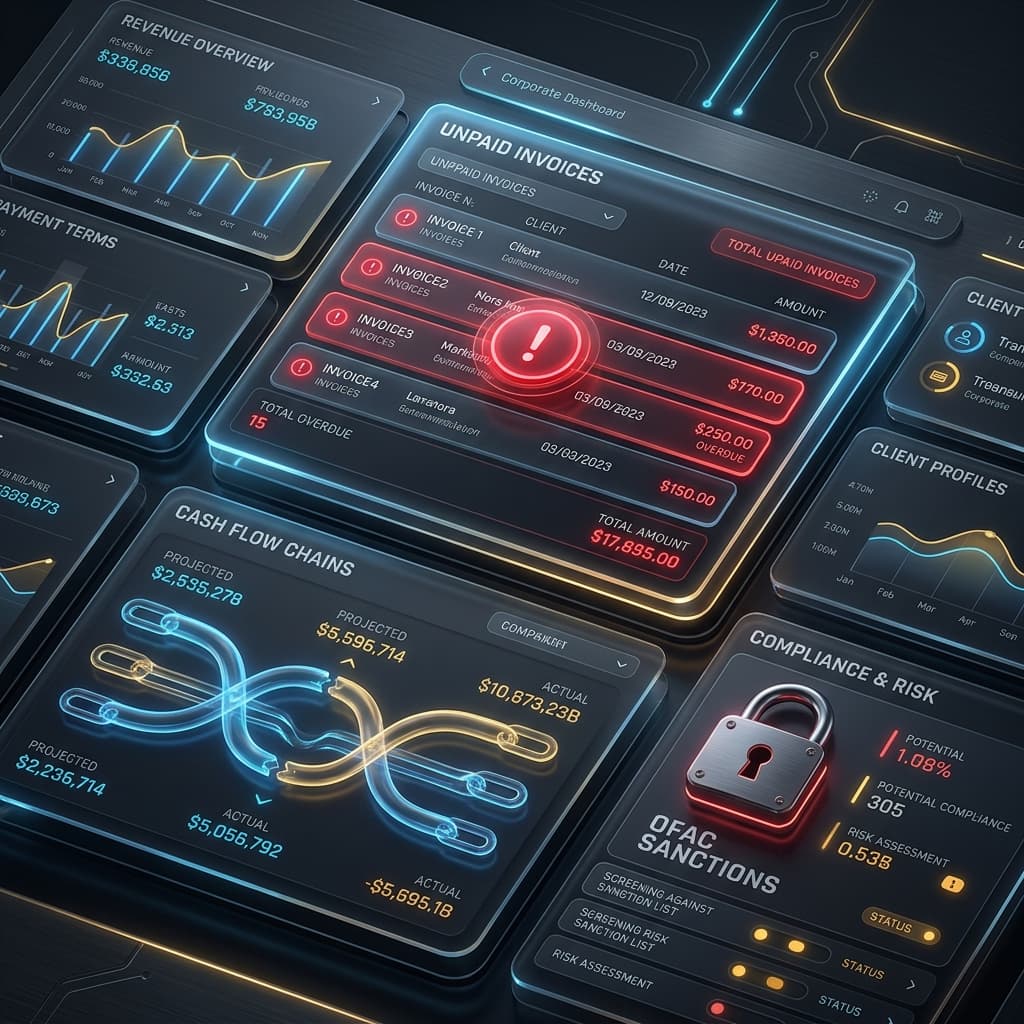
- Restricted party risk and sanctions screening
- Oil and maritime trade exposure
- Export control review workflows
- Vendor and supplier due diligence
- ITAR & EAR visitor workflows
- Audit logs and evidence packages
Even if your company does not sell into the Middle East, your suppliers, customers, freight partners, consultants, visitors, or parent entities may touch risk areas. That is where companies get surprised.
The question is not, “Are we watching the news?” The real question is: Can we prove how we handled the risk when the rules changed?
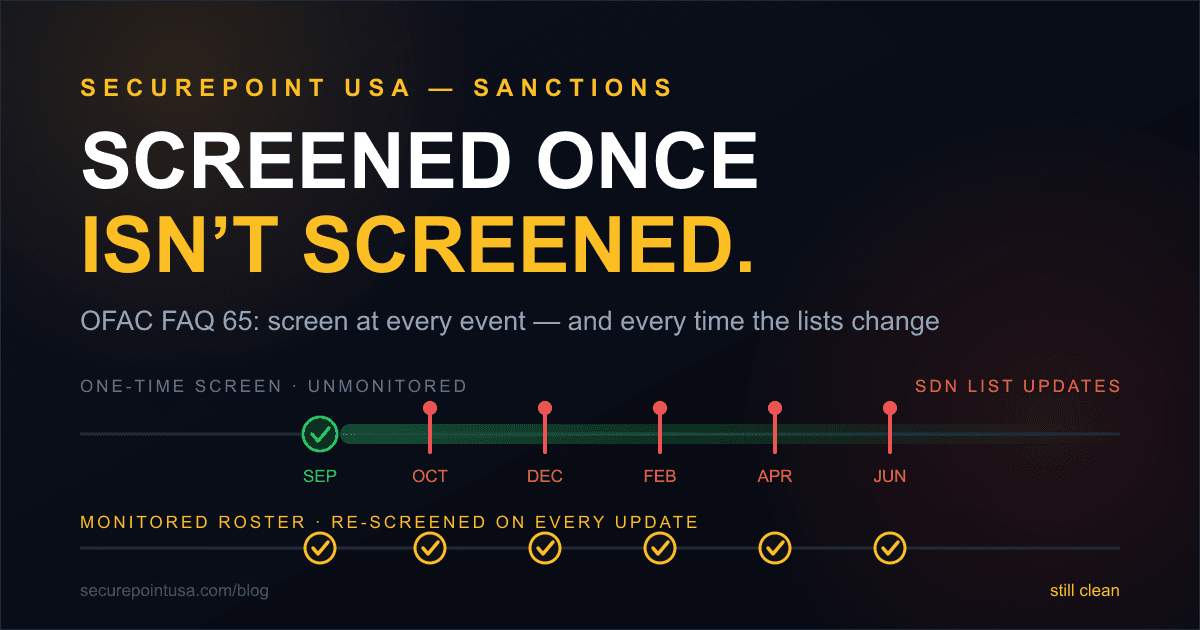
Sanctions risk can change faster than internal processes
Many companies still run compliance through spreadsheets, shared inboxes, one person’s memory, old visitor logs, manual screening screenshots, or disconnected approval chains.
That works until something changes overnight. A sanctions waiver, blocked party update, port reopening, export restriction, or regional escalation can change who needs review and what evidence needs to be kept.
If your process cannot adapt quickly, your team ends up trying to rebuild the story later. That is not compliance. That is archaeology.
What should defense contractors check right now?
If your company supports aerospace, defense, advanced manufacturing, or export-controlled work, this is a good moment to ask five questions:
1Are visitors and vendors being screened consistently?
Not only employees. Think about foreign national visitors, technical consultants, freight and logistics contacts, vendor representatives, contractor personnel, and third-party maintenance teams. If someone enters a controlled facility, touches sensitive work, or receives technical information, the record matters.
2Are screening decisions human-approved?
AI can help surface risk signals, cluster possible matches, and summarize context. But AI should not be the final decision-maker in regulated access. The safe pattern is: AI assists. Humans decide. The decision gets logged. Learn more about our approach to responsible AI screening.
3Can you show what list was checked?
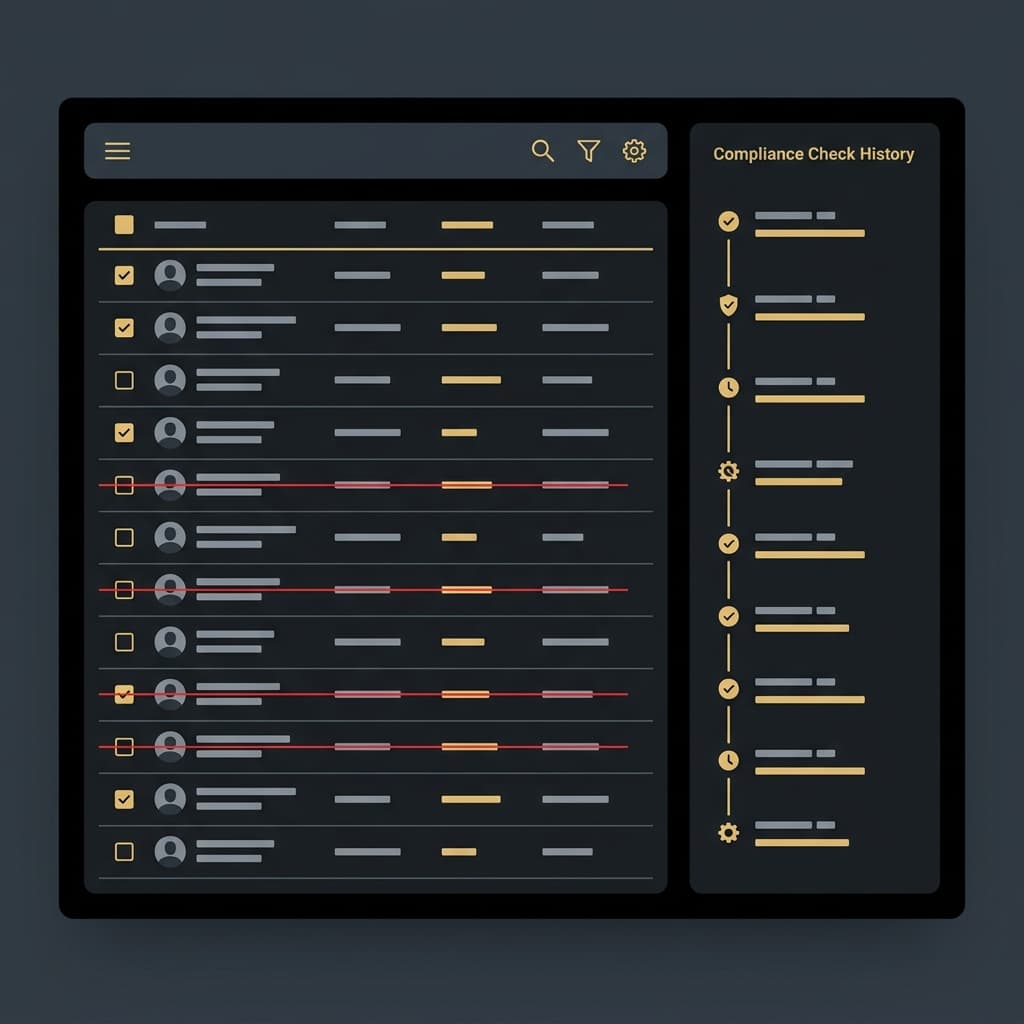
For audit purposes, “we checked them” is weak. Better evidence answers: what was checked, when it was checked, what lists were used, what result came back, who reviewed it, and why access was approved or denied.
4Can you export evidence quickly?
If legal counsel, compliance, or an auditor asks for visitor history, can you export it in minutes? Or does someone have to dig through a front desk binder? That gap is where risk hides.
5Do your workflows change when the world changes?
A good compliance system should support policy changes without chaos. When sanctions exposure changes, when geopolitical risk changes, or when a customer tightens requirements, your workflow should adapt. Not next quarter. Now.
This is where SecurePoint USA fits
SecurePoint USA is built for regulated facilities that need visitor screening, human-in-the-loop adjudication, export-control-aware workflows, and audit-ready evidence. We are not trying to be a generic lobby sign-in tool. SecurePoint is built for organizations that care about:
- ITAR and EAR visitor workflows
- OFAC and restricted party screening
- CMMC and NIST evidence expectations
- Human-in-the-loop adjudication
- Append-only audit logs
- Exportable compliance records
The Iran story is a reminder that compliance is not static. When the world moves, your records need to move with it.
The bottom line
A possible Iran deal may reduce some immediate pressure, or it may create new compliance complexity. Either way, regulated companies should not wait until the next policy shift to ask whether their visitor, vendor, and access records can hold up.
The companies that win will be the ones that can say:
That is the standard. That is where compliance is going.
Frequently Asked Questions
Did the U.S. and Iran finalize a deal?
Not yet. Reports say a framework or proposed deal is being discussed, but final details remain unsettled. AP reported that Trump called it “largely negotiated,” while also noting final aspects still need to be worked out.
Why does the Strait of Hormuz matter for compliance?
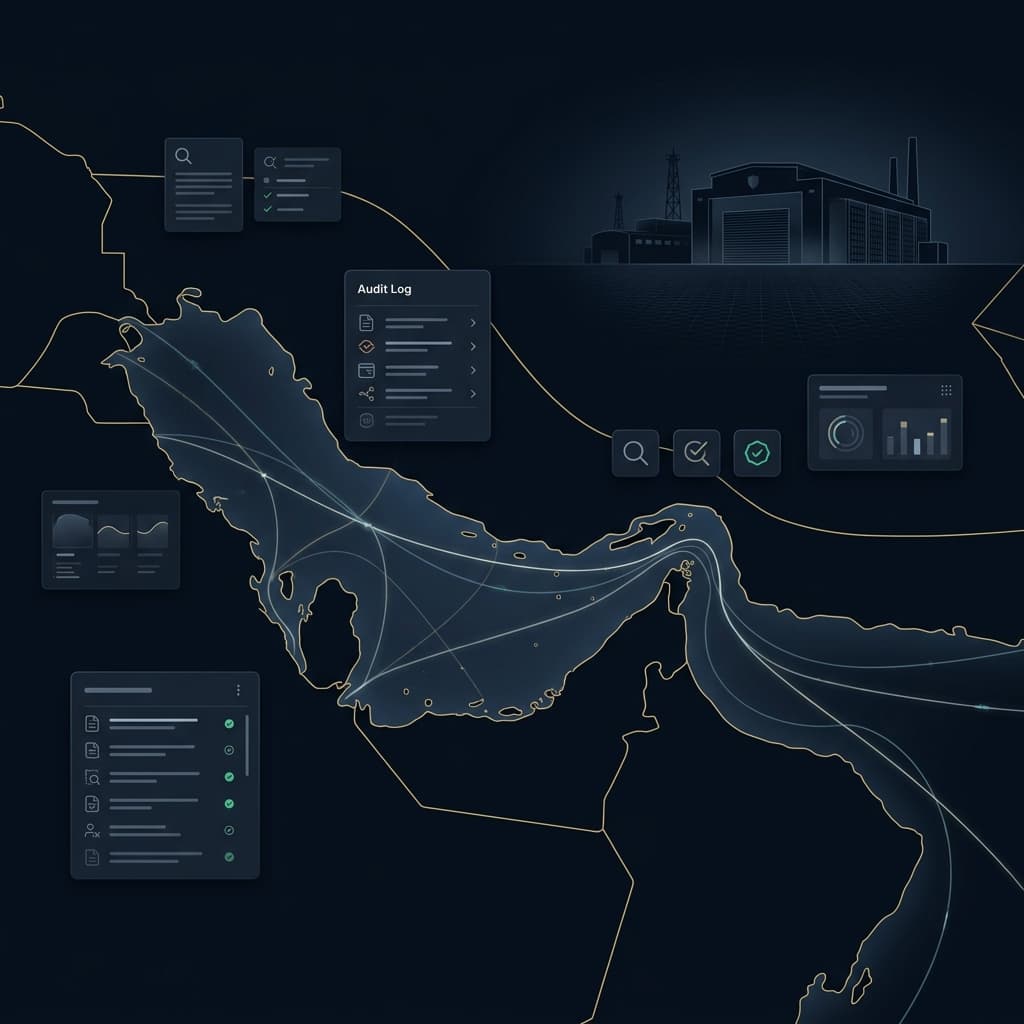
The Strait of Hormuz is a critical maritime route. If it closes, reopens, or becomes subject to new terms, companies tied to oil, shipping, logistics, defense, and restricted-party exposure may need fresh reviews.
Should companies change screening processes because of one news event?
Not blindly. But major geopolitical shifts are a trigger to review whether your screening, approval, and audit logs are current.
Does SecurePoint make automated access decisions?
No. Possible matches go to a reviewer. Clean screens can auto-approve. The system preserves the evidence behind those outcomes.
Visitor Compliance Checklist
- ITAR/EAR and CMMC L2 requirements
- Audit-ready evidence collection
- Possible matches go to a reviewer
Or get it sent to your inbox