Skip to content
Share
CMMC Compliance Warning

New Blog Post · 5-minute read

The Signature That Fails the Audit:
A CMMC Cautionary Tale

A visitor signing in at a front desk

They had firewalls. They had encrypted servers. They did not have a visitor record they could hand an assessor.

Picture a machine shop. Call it "Precision Aero"; it is not a real company, and this is a scenario built from the assessment requirements rather than from any customer of ours. Its CEO thought they were ready. They had the firewalls. They had the encrypted servers. They even had a shiny new tablet at the front desk where visitors typed in their names.

Then the auditor arrived.

He didn't ask for the server logs first. He walked to the front desk, pointed at the "Visitor Management" app, and asked one question:

"How do you verify that the 'John Smith' who signed in ten minutes ago isn't on the Consolidated Screening List?"

The Office Manager shrugged. "We check IDs."

The auditor smiled, the kind of smile that costs money. "Show me the time-stamped proof of that check against the federal database for every visitor in the last six months."

Silence.

The "Compliance Gap" is a Canyon

Most managers don't realize that in 2026, CMMC Level 2 and ITAR aren't about doing the work; they are about proving the work.

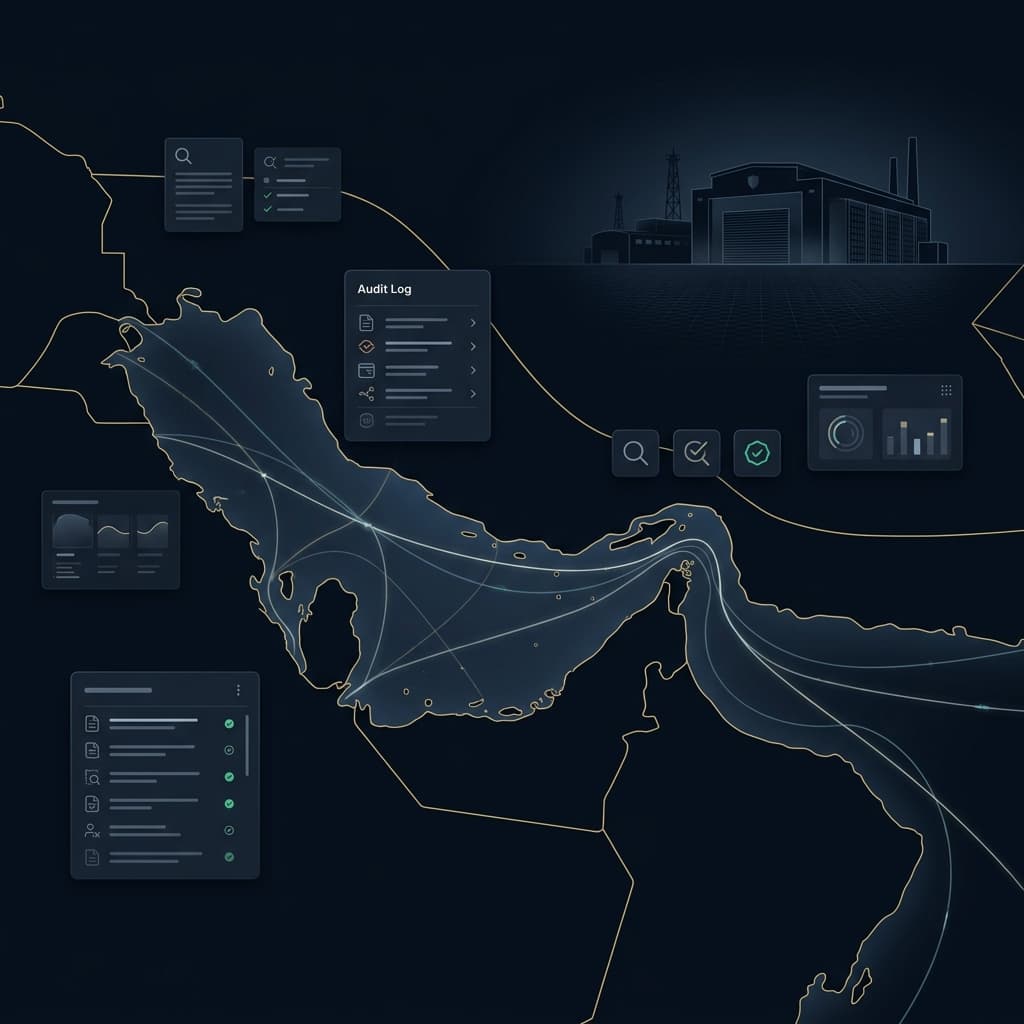
If your Visitor Management System (VMS) does not check visitors against the International Trade Administration’s Consolidated Screening List and keep the result in an append-only audit log, you have nothing to show when someone asks.

A manual sign-in sheet produces no record of a screening decision, because no screening happened. With no "Audit-Ready Evidence" to hand over, the finding lands on the contract.

Why "Digital" Isn't Enough

In SecurePoint USA demos, we meet managers who think a digital log is a "secure" log.

The Paper Reality

A paper log is a data breach waiting to happen. Anyone can read who was there before them: competitors, foreign agents, or just curious eyes. It leaves no digital trace of who approved whom.

The Basic App Reality

If a visitor can delete their entry, or if you can’t prove who approved a foreign national's entry, you have a "Single Point of Failure." Consumer-grade apps don't meet the evidence bar a regulated facility needs.

Don't Wait for the Audit to Fail

CMMC Level 2 requirements are no longer suggestions. Restricted Party Screening is a separate export-control practice, and if your front desk system cannot screen visitors at the point of entry, you are carrying that risk yourself.

Remediation after a finding means legal review and emergency consulting, on a schedule set by someone else, to close a gap that a visitor system records as a matter of course.

Is your front desk a gateway or a trap?

Don't fail this check

  • ITAR/EAR and CMMC L2 visitor checklist
  • Audit-ready proof strategies
  • Quick evidence self test
Get the Checklist

Or get it sent to your inbox

Get compliance alerts

Occasional notes on sanctions, export controls, and visitor compliance when we publish them.

SecurePoint USA helps defense contractors screen visitors at check-in and keep the audit trail for their ITAR and CMMC visitor programs.

Found this helpful? Share it with a colleague.

Visitor Compliance Checklist

  • ITAR/EAR and CMMC L2 requirements
  • Audit-ready evidence collection
  • Possible matches go to a reviewer
Download PDF

Stay ahead of compliance changes

Get occasional notes on sanctions, export controls, and visitor compliance when we publish them.

No spam. Unsubscribe anytime.

The Signature That Fails the CMMC Audit | SecurePoint USA