Why Visitor Management Is Now a National Security Control, Not a Front Desk Tool
Organizations need provable physical access controls (not paper sign-in sheets and memory) to defend sensitive operations against modern espionage.

Recent headlines about missing U.S. scientists and China-linked cyber activity have a lot of organizations asking a deeper question: are our access controls actually defensible? In regulated environments, visitor management is no longer an admin task. It is part of your security posture, your audit trail, and your ability to prove that sensitive people, places, and operations were protected.
When national-security stories dominate the news, buyer behavior inevitably shifts. What used to be dismissed as a facilities oversight becomes a boardroom-level risk. Organizations are waking up to the reality that a strong perimeter firewall means nothing if anyone can talk their way past the front desk with a clipboard and a convincing story.
What Leadership Actually Worries About
It's not just about who is in the building. It's about unknown visitors, weak identity verification, missing access logs, and an utter lack of proof. If an incident occurs, leadership must be able to demonstrate exactly who had access, who approved it, and what screening they passed. Without verifiable records, the organization owns the liability.
Where Old Visitor Processes Fail
The traditional approach to visitor management is dangerously obsolete for defense contractors, research institutions, and critical infrastructure:
Paper Logs Provide No Screening
A notebook does not cross-reference the Consolidated Screening List (CSL) or perform denied party checks. It provides a false sense of security.
No Central Audit Trail
When security incidents happen, investigators need structured, searchable data, not a binder full of illegible handwriting.
Inconsistent Host Accountability
Without systematic enforcement, visitors often bypass approvals, piggybacking into sensitive areas undocumented and unescorted.
Lacking Retention Policies
Paper records are routinely lost, destroyed, or improperly archived, making historical audits impossible and compliance unprovable.
What a Modern Control Stack Looks Like
Treating visitor management as a national security control requires a shift from manual administration to digital orchestration. A modernized stack delivers security as a continuous, verifiable process.
- Automated Check-In & ID Capture: Scanning government ID barcodes and passport MRZ codes to record identity details before granting entry.
- Scheduled Watchlist Re-Screening: Re-checking recurring people against OFAC, BIS, and other restricted-party lists on a set interval.
- Digital Badge Printing & Visit Lifecycle: Issuing visitor badges and closing out visits so each one leaves a clear trace in the system.
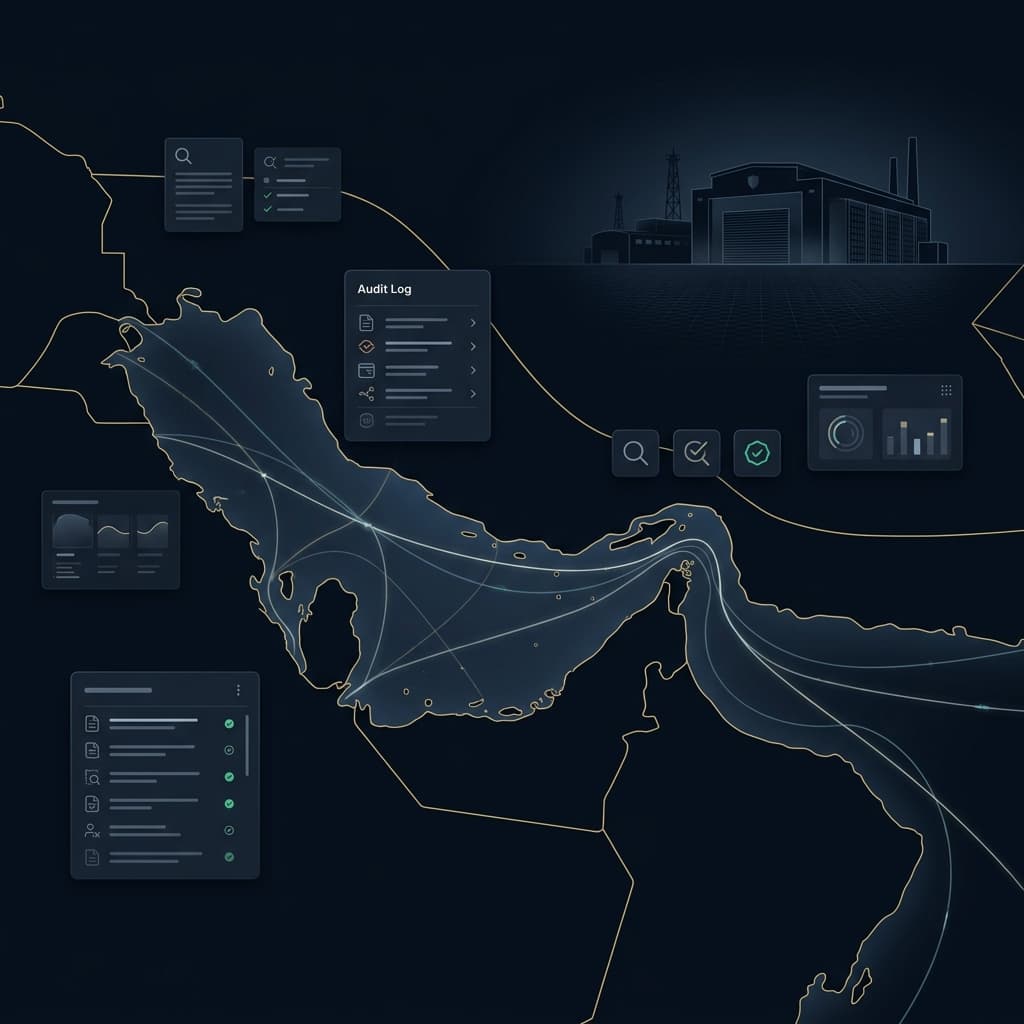
- Append-Only Logs & Advanced Reporting: Giving compliance teams one-click audit reports that show what was checked, who decided, and when.
Turn Visitor Entry Into a Documented Control
If your facility still relies on paper logs, shared badges, or inconsistent host approvals, now is the time to fix it. SecurePoint USA helps organizations turn visitor entry into a documented, reviewable control.
See Visitor Screening